Counseling@Northwestern

Students, Faculty Tackle the Future of Counseling at ACES Conference

The Association for Counselor Education and Supervision came to Chicago for four days of continuing education for counselors, master’s and doctoral candidates, and prospective students. Six faculty members and five students presented at the event, including Dr. Anita Neuer Colburn who received the Research in Counselor Education and Supervision Award.
How to Thrive at Holiday Parties While in Recovery

Holiday parties can provide a great time to catch up with loved ones and friends you haven’t seen in a while. However, for some, holiday parties can present an array of challenges—especially for those who struggle with addiction. Some people who are in recovery find the holidays to be a difficult time as they are surrounded by frequent social gatherings involving alcohol and anxiety-inducing situations. Here, we’ll provide steps you can to enjoy holiday parties, despite the stress that may accompany them.

How to Deal with Holiday Financial Stress

During this season, we are bombarded with holiday ads on TV, the radio, and in magazines telling us to buy more and more. It is easy to spend beyond your budget trying to meet holiday expectations for family and friends.  However, with the right strategies, there is hope that you—and your wallet—can enjoy greater holiday bliss.

Counseling@Northwestern Faculty Spotlight: Tonya Davis

Dr. Tonya Davis, assistant director of clinical training for The Family Institute at Northwestern University’s Counseling@Northwestern program, talks about the importance of clinical training, her career path, and Counseling@Northwestern’s unique approach to online learning.

Counseling@Northwestern Faculty Spotlight: Dr. Nate Perron

Dr. Nate Perron is a full-time core faculty member and director of clinical training for the Counseling@Northwestern program. During his time as a professional counselor, he has worked in a variety of mental health settings for over 12 years, teaching for more than 8. As the director of clinical training for the program, he ensures that students receive the best possible support during their field training so they can excel as counselors.

Counseling@Northwestern’s First Graduating Class: A Community

On Saturday June 26, 2017, Counseling@Northwestern, the Master of Arts in Counseling Program delivered online from The Family Institute at Northwestern University, awarded its first graduating class with diplomas. Counseling@Northwestern provided these graduates with more than just the skills and experience they needed to become successful mental health counselors; the program gave them a community and a place to thrive. 

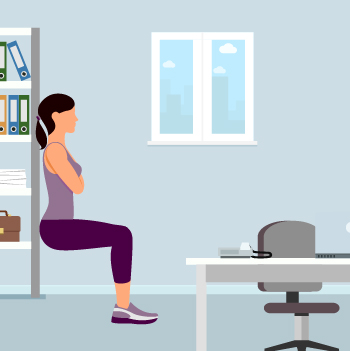
Six Exercises to Boost Your Backside and Get You Out of Your Chair

Do you ever wonder where the day goes when you’re stuck sitting behind a desk? Your body does too. While your mind is busy forging ahead and tackling your workload, your body is not doing much other than just being sedentary. Stand-up desks, lunchtime walks, and frequent stretch breaks are all recommended ways to stay active and break up long workdays. However, if you find your body is softening or your metabolism is plummeting, you might need more than light movements throughout the day.

Why We Brainstorm: Counseling@Northwestern’s New Neuroscience Meetup

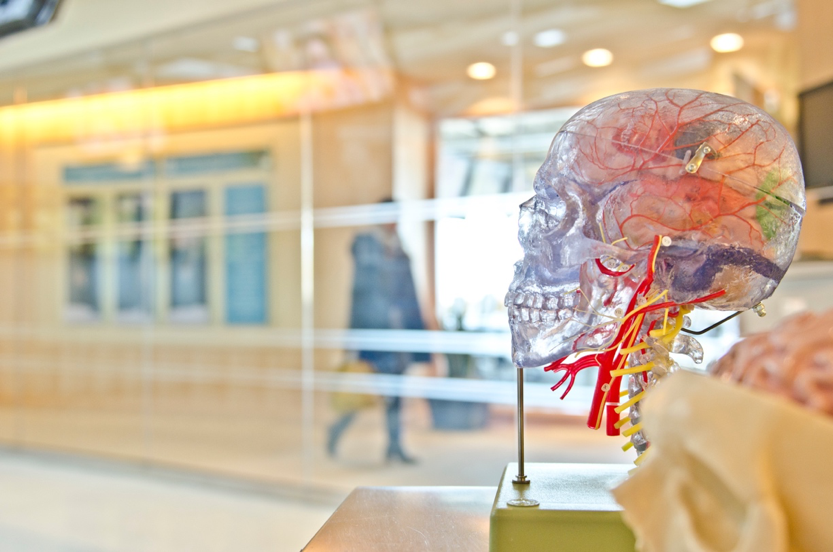
While counseling continues to expand its influence within various domains of mental health, one area in which there seems to be an observable lack of counselor impact is the field of neuroscience. By promoting “neurocounseling”—a therapeutic approach informed by neuroscience principles—many hope to build a future in which counselors can become neuro-savvy practitioners as well as active contributors to a larger scientific conversation. In fact, one such conversation is already beginning to take shape in Counseling@Northwestern’s newest neurocounseling initiative: BRAINSTORM.

The Human Experience of Dealing with Anxiety

Ever been around someone who is short-tempered before a visit to the dentist? People who fear the dentist may experience an increase in frustration levels and a reduction in tolerance levels. These responses, although uncomfortable, are short-lived and a normal activity of your nervous system. Typically, the nervous feelings decrease or end after the stressful event.

However, for some, the nervous feeling continues and can create problems in daily living. Here, we will look at types of anxiety, how anxiety affects the brain, and how to treat this common experience.